✦ Key takeaways
- →The two families
- →When to use each format
- →What to deliver to a client
- →Closing
A friendly reference for clients and designers — which logo file to send for print, web, embroidery, video and merchandise.
This long-form guide from the design team at Oscar Graphix unpacks everything a modern brand, in-house team or freelance designer needs to know about logo file formats explained: ai, eps, svg, png, pdf and when to use each. You'll find field-tested principles, real-world examples, a step-by-step checklist, a structured FAQ and a working glossary — all grounded in years of studio practice across design fundamentals projects for startups, enterprises and cultural institutions alike.
Whether you searched for logo file formats, svg vs png, vector logo because you're preparing a rebrand, building your first identity system, or sharpening your craft as a designer, this article is designed to be read once and referenced many times. Bookmark it — the fundamentals here don't change with the seasons.
Every logo project ends with a folder of files — and 80% of client confusion happens right there. Here is a clean reference to end the confusion for good.
The two families
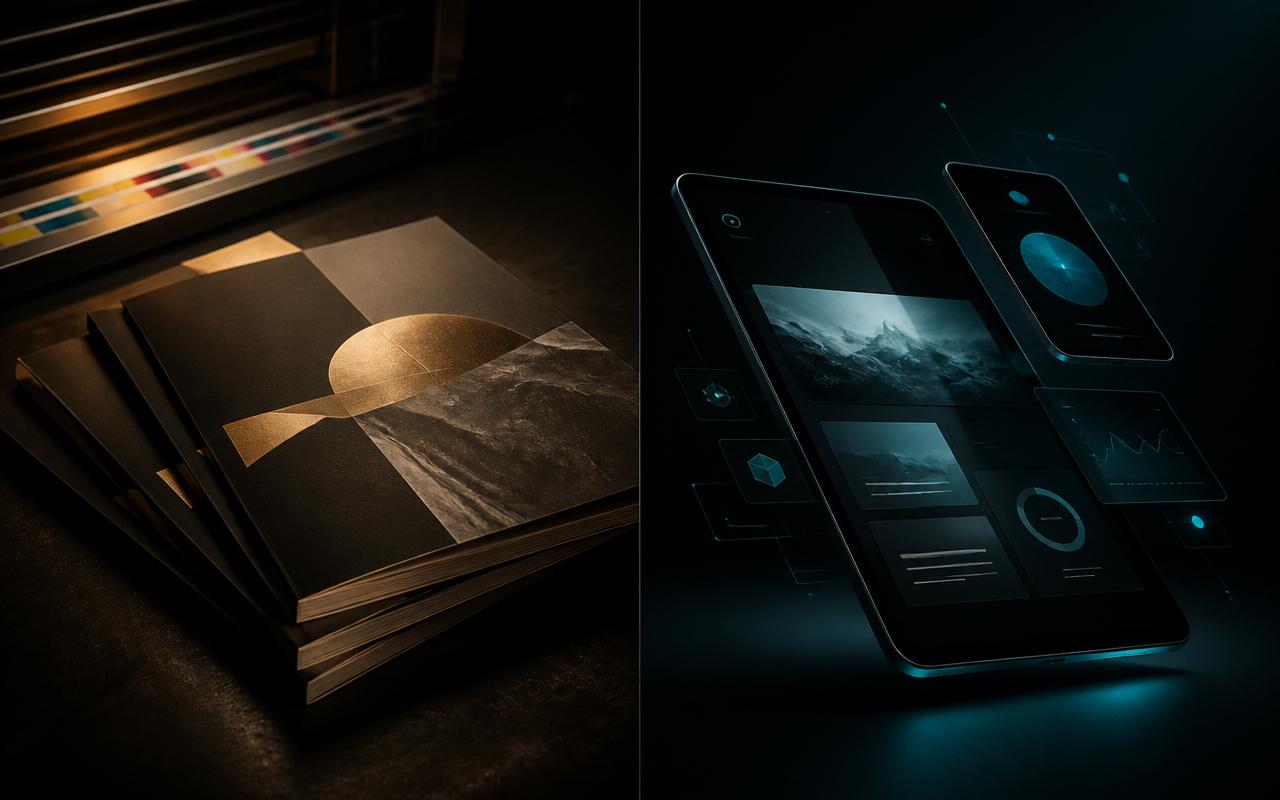
- Vector — infinitely scalable, ideal for print and large formats. AI, EPS, SVG, PDF.
- Raster — pixel-based, fixed resolution, ideal for screen use. PNG, JPG, WebP.
When to use each format
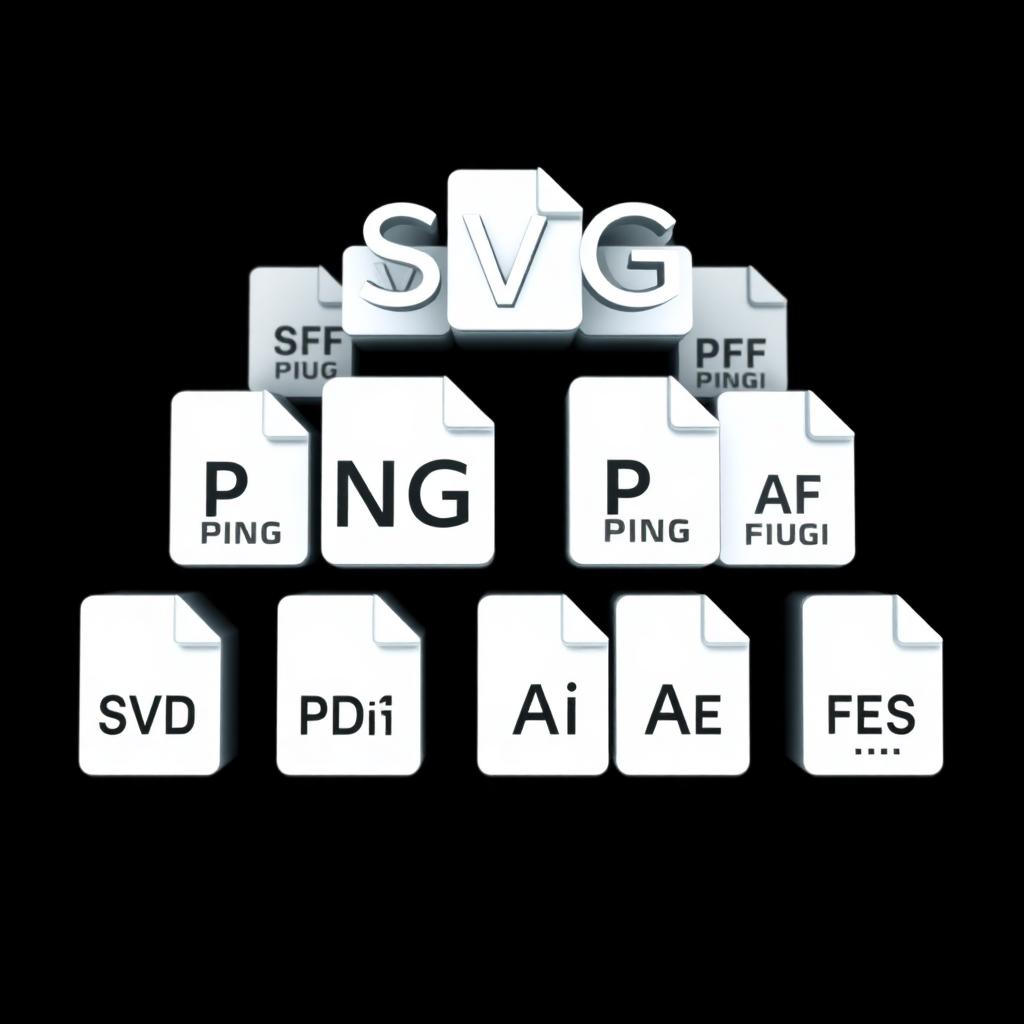
- AI — the master file, editable in Illustrator. Never send to a printer for final artwork.
- EPS — universal vector format. Printers, embroiderers and older systems still love it.
- SVG — vector for the web. Small, scalable, animatable.
- PDF — the safe universal delivery format for both print and screen.
- PNG — pixel logo with transparent background. Perfect for slide decks and social overlays.
- JPG — flattened, opaque background. Use only when transparency is not needed.
- WebP / AVIF — modern raster formats for high-performance websites.
What to deliver to a client
A professional logo package includes: full colour, single colour black, single colour white, in AI, EPS, SVG, PDF, PNG (multiple sizes) and JPG. Bonus points for a favicon and a social-media avatar version.
Closing
The right file format saves the client from print disasters, blurry screens and awkward emails. A tidy delivery folder is part of great design.
Going deeper on each section
Every heading above deserves its own study session. Below is a quick recap you can use as a self-audit — read each point, then rate your current work honestly on a scale of 1–5. Anything below a 4 is a candidate for your next iteration.
- The two families — revisit this on your current project and note one concrete change you can ship this week.
- When to use each format — revisit this on your current project and note one concrete change you can ship this week.
- What to deliver to a client — revisit this on your current project and note one concrete change you can ship this week.
- Closing — revisit this on your current project and note one concrete change you can ship this week.
A practical checklist you can steal
Print this list, pin it above your desk, and walk through it before you sign off any project of this kind.
- Define the objective and audience before touching a tool.
- Audit existing logo file formats against 3 top competitors and note what you can improve.
- Draft at least 3 distinct directions before refining a single favourite.
- Test at extreme scales — favicon-small and billboard-large — before signing off.
- Check accessibility: contrast, legibility and colour-blind safety.
- Prepare a documented system, not one file — variants, spacing rules, do's and don'ts.
- Ship, measure, iterate. Great logo file formats is version-controlled, not frozen.
Frequently asked questions
Why does logo file formats matter for modern brands?
Logo File Formats Explained directly affects how customers perceive credibility, quality and consistency. In a saturated 2026 market, brands that invest in logo file formats are recognised faster, remembered longer and trusted more — which translates into measurable gains in conversion, retention and word-of-mouth referral.
How long does it take to see results from logo file formats?
Most teams see the first visible improvements within 2–6 weeks of applying the principles in this guide, and compounding results across 3–6 months. The gains are cumulative: consistent execution beats one-off effort every single time.
What tools do designers use for logo file formats at Oscar Graphix?
We combine industry-standard tools — Figma, Adobe Illustrator, Photoshop, InDesign and After Effects — with AI-assisted workflows for research, moodboarding and iteration. The tool matters less than the discipline behind it.
Can small businesses benefit from this, or is it only for large brands?
Small businesses arguably benefit the most. A focused approach to logo file formats lets a small team punch far above its weight, look more established than it is, and compete for attention with much larger competitors.
How does Oscar Graphix approach Logo File Formats Explained?
We start with strategy, not aesthetics — clarifying the audience, the business objective and the constraints. Only then do we move into design, testing every deliverable across the real environments it will live in (screen, print, packaging, social, mobile) before final handover.
Quick glossary
The terms below appear throughout this article and across the wider world of professional design work. Keep them handy.
- logo file formats — a core concept in design fundamentals practice; used by Oscar Graphix on nearly every client engagement in this discipline.
- svg vs png — a core concept in design fundamentals practice; used by Oscar Graphix on nearly every client engagement in this discipline.
- vector logo — a core concept in design fundamentals practice; used by Oscar Graphix on nearly every client engagement in this discipline.
- logo delivery — a core concept in design fundamentals practice; used by Oscar Graphix on nearly every client engagement in this discipline.
A final word from the studio
Great design fundamentals work is never accidental. It is the compound result of clear thinking, disciplined craft and a willingness to iterate long after the "good enough" moment. If you take one thing from this article, let it be this: the brands you admire are not more talented than you — they are more consistent. Consistency, applied every week for a year, is indistinguishable from genius.
If you'd like an experienced team to partner with on your next project — from strategy through to shipped assets — the Oscar Graphix studio is a conversation away.